
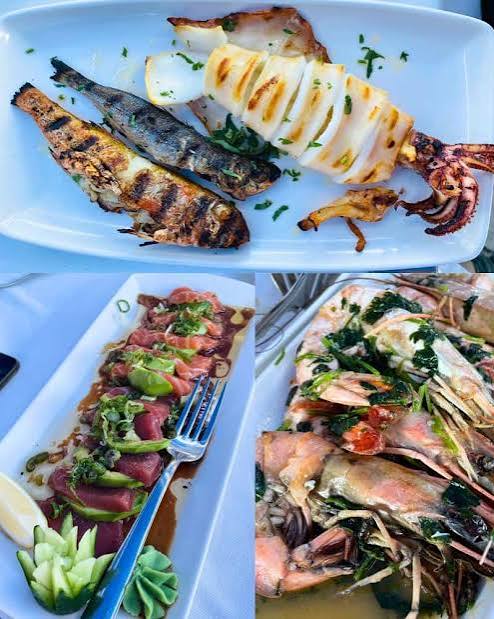
Since Cyprus emerged from the sea, like the Goddess Aphrodite, the island has been
subject to numerous invasions, writes George Shaw.
The Mycenaens, Pheonicans, Assyrians, Egyptians, Persians,
Romans, Crusaders, Venetians, Ottomans and more recently
the Brits and Turks, have all their left their mark.
Set at the crossroads of Europe, the Middle East and Africa, the
island’s cuisine offers Mediterranean dishes with an exotic
twist. Empires have swept through leaving behind their recipes
and ingredients to be incorporated into Cypriot cuisine, which
emphasises fresh ingredients, local herbs and spices and the
light use of olive oil.
The sentiments of the ‘Slow Food’ movement have long been
the ethos of Cyprus where guests are always encouraged to
linger over food and savour fresh flavours “siga siga” (“slowly
slowly”). For authentic cooking it is best to head for the hills. A
recent tourist board initiative, Vakhis – named after a famous
Cypriot chef who lived in Kition in 300AD – aims to lure visitors
out of the major resorts and into the villages for a taste of the
real Cyprus. The Cyprus Tourism Organisation awards a Vakhis
certificate to rural tavernas that serve authentic Cypriot food
prepared in traditional ways. It must be freshly cooked, using
locally-grown fruit, meat and vegetables. Certificated tavernas
must also serve local wine. Diners can expect an abundance of
olives, lettuce and tomatoes as starters. So many lemons are
grown on the island that they go with just about everything –
halloumi cheese, which is hand-made at about 50
smallholdings, and plenty of lamb and pork dishes.
As a wine growing region with more than 100 different varieties
of grape. The local Commandaria, the world’s oldest wine, is
said to have reminded Marc Anthony so much of Cleopatra’s
kisses that he gave her the island.
For those visiting during The Limassol Wine Festival (29 August
– 10 September) – the annual celebration in honour of
Dionysus, the god of wine, kicks off with the ceremonial
barefoot pressing of the grapes, after which visitors can sample
free wine and traditional delicacies. While the quality varies,
you can at least be sure there’s plenty to go around. For a small
island, Cyprus produces a lot of wine – 2.5 million litres a year.
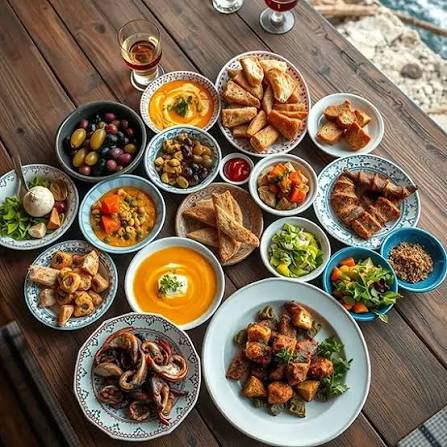
No visit to Cyprus is complete with out savouring the culinary
adventure of meze, an abbreviation of “mezedes” or “little
delicacies” with up to 30 dishes at a single meal, from savoury
dips and vegetable to a wide range of fish and meat dishes.
Cyprus offers holidays to suit most pockets.
For the well heeled, there is the comfortable, independently owne ,
https://www.fourseasons.com.cy,which has recently been given a £35m refit.
The luxury 300+ roomed beach front establishment played host to the Sultan of Brunei
and a retinue that occupied fully two floors. With his own cutlery, crockery, bed linen, chef and many of his favourite wives, the Four Seasons must have been a home from home.
To the eventual bill of 850,000 euros the Sultan added a tip, rounding up to a cool one million.
For those on more modest budgets there are many charming, rustic the houses
and studios offered by ‘agro tourism’ villages. As the island’s economy has
improved – the donkeys and mopeds of the 1970s and ‘90s have all but
disappeared – many villages have depopulated as younger residents have moved to
the towns and cities. Cyprus Villages is reviving village life, with lovingly restored
abandoned and ruined family houses and now provides rural employment.
Between meals there are plenty of activities. It’s one of those places where it’s
possible to ski in the morning and swim in the sea in the afternoon. Riding, cycling,
walking, hiking, golf and a full range of water sports abound. Guests can visit local
home to witness making halloumi cheese and olive oil or fish with local fishermen.
The Mesostrato Tavern in Kakopetria was one of the first to get the Vakhis
certificate. Chef and owner Stelios Alkiviades said: “We are proud to be one of the
first restaurants in Cyprus to achieve the Vakhis certificate and want to share our
heritage with visitors so they can experience our real culture.
“We were inspected on several occasions on cleanliness, food hygiene, the win
list, service and the building to ensure all were of the highest standard and
maintained the authentic traditional character.”
The food aside, most modern invaders – in the guise of tourists – come for the
weather. Cyprus enjoys a typical Mediterranean climate. Summers last from June
until September and are hot and dry, averaging 22C – 27C. Winters are
changeable with spells of cold and warmer weather. Although most tourist come
at the height of summer, Spring and Autumn are probably best times to visit,
particularly those looking for hiking, riding and cycle activites. The Troodos
mountains offer skiing between early January and mid March.
Food Glossary
Afelia
Pork cooked in red wine with coriander seeds
Baklava
Filo pastry filled with nuts and syrup
Bourekia
Small puff pastries with meat, cheese or
cream-cheese filling
Daktyla
Almond finger pastries
Halloumi
Goats’ or ewes’ milk cheese, often served grilled
Houmous
Dip made from crushed chickpeas and olive oil
Keftedes
Meat balls
Kleftiko
Slow-cooked lamb wrapped in foil with herbs
Dolmades
Stuffed vine leaves
Mezze
A selection of small, shareable dishes served as appetizers, a light snack, or an entire communal mealStuffed vine leaves
Sheftalia
Minced pork and herb rissole
Souvlaki
Small chunks of lamb cooked on a spit
Stifado
Beef and onion stew